Your Right to Safety: Understanding Power, Consent and Professional Boundaries
Have you ever felt uncomfortable at your university or academic environment? Something felt “off”, but you couldn’t explain why? An interaction. A comment. A situation that crossed a line… or almost did. Then this event is for you.
When: 12 February 2026, 17:30
Where: Faculty of Arts, Charles University, room 131 (auditorium on the first mezzanin floor)
We invite you to an open discussion with Dr. Anna Bull (University of York; The 1752 Group) on power, consent, and professional boundaries in academia. We will talk about situations where it can feel difficult to say no, how grey areas and blurred boundaries arise, and how to recognise moments when someone is testing how far they can go.
Together, we will explore:
- what can help you in real-life situations
- how to respond and where to find support
- how to stand up for yourself and others
For the lates updates, you can follow our Facebook event.
Gender and Science Department from the Institute of Sociology, Academy of Sciences, is organising this event on the occasion of International Day of Women and Girls in Science. In cooperation with the Faculty of Arts of Charles University, leading British expert Dr. Anna Bull from the University of York will share practical tools for navigating challenging situations in the academic environment with students and early-career researchers.
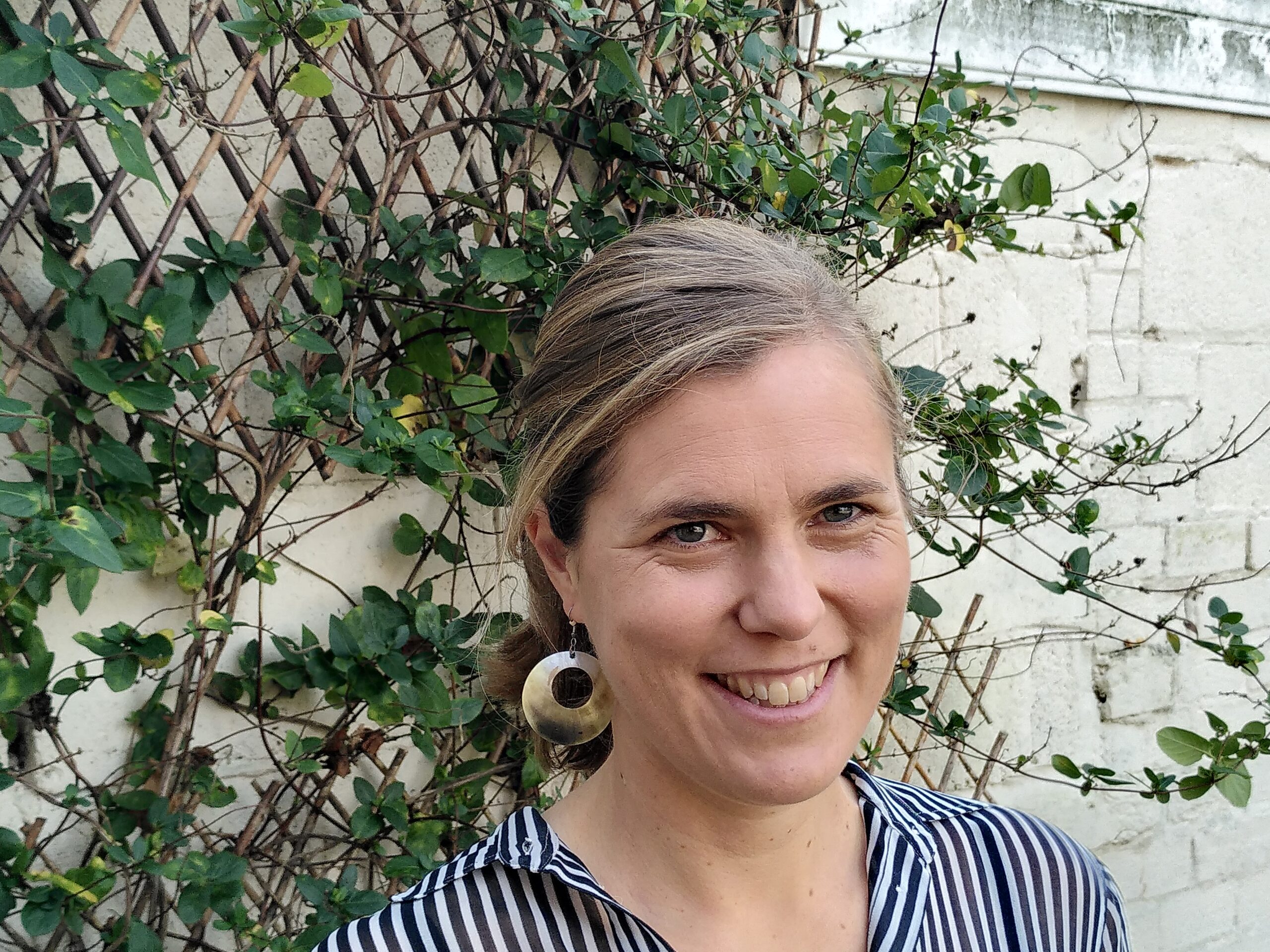
Research by Dr. Anna Bull, who is also co-founder of The 1752 Group, points to the profound impact of power abuse and sexualized violence in academic settings. “Those targeted – usually women – often experience post-traumatic symptoms and other deep psychological and emotional impacts, as well as losing confidence, and sometimes even end up dropping out of their studies or changing fields as a result of such experiences,“ says Dr Bull.
While professions such as medicine, psychology, and social work often have clearly defined codes of ethics regarding interpersonal relationships, academia often lags behind in this regard. “Universities have an ethical and legal responsibility to ensure a safe environment for study without predatory behavior,” says Dr. Bull, adding that “where colleges fail in this area, student activism can bring about change. And it does bring about change when it points out the hypocrisy of universities that protect (usually) male academics from women, LGBTQA students, and younger staff.” This is confirmed by the Czech experience with many cases of gender-based violence, the problematic nature of which has been highlighted by student initiatives.
Dr Anna Bull is a Senior Lecturer in Education and Social Justice at the University of York, UK, and a director of The 1752 Group, a research and campaign group addressing sexual misconduct in higher education. In 2021, industry publication Times Higher Education named her as one of their ‘Faces of 2021’, noting that her research ‘has made a substantial contribution to our understanding of the problem’ of sexual harassment in universities. She has published a range of reports, toolkits, and academic and non-academic articles on gender-based violence in higher education and is in international demand as an expert adviser.

The event is part of the celebrations of International Day of Women and Girls in Science 2026 organized by the National Contact Centre for Gender & Science from Institute of Sociology of the Czech Academy of Sciences. This event was supported by a grant from the British Embassy in Prague. We are grateful we found an ally in building stronger, safer and healthier academia in the British Embassy and also the Faculty of Arts, Charles University, in which the event is hosted.